
Currently Empty: ₺0,00
Revitalize Your Look with Prishtinë Transplantim Flokësh – Lajme-2546
Quickly becoming a sought-after procedure in the region, Prishtinë transplantim flokësh offers a remarkable solution for those experiencing hair loss. This medical technique not only restores hair but also significantly boosts self-esteem. The process involves transferring hair follicles from one part of the body, typically the back of the scalp, to the balding areas. This technique ensures that the new hair looks natural and seamless, allowing for a permanent solution to baldness.
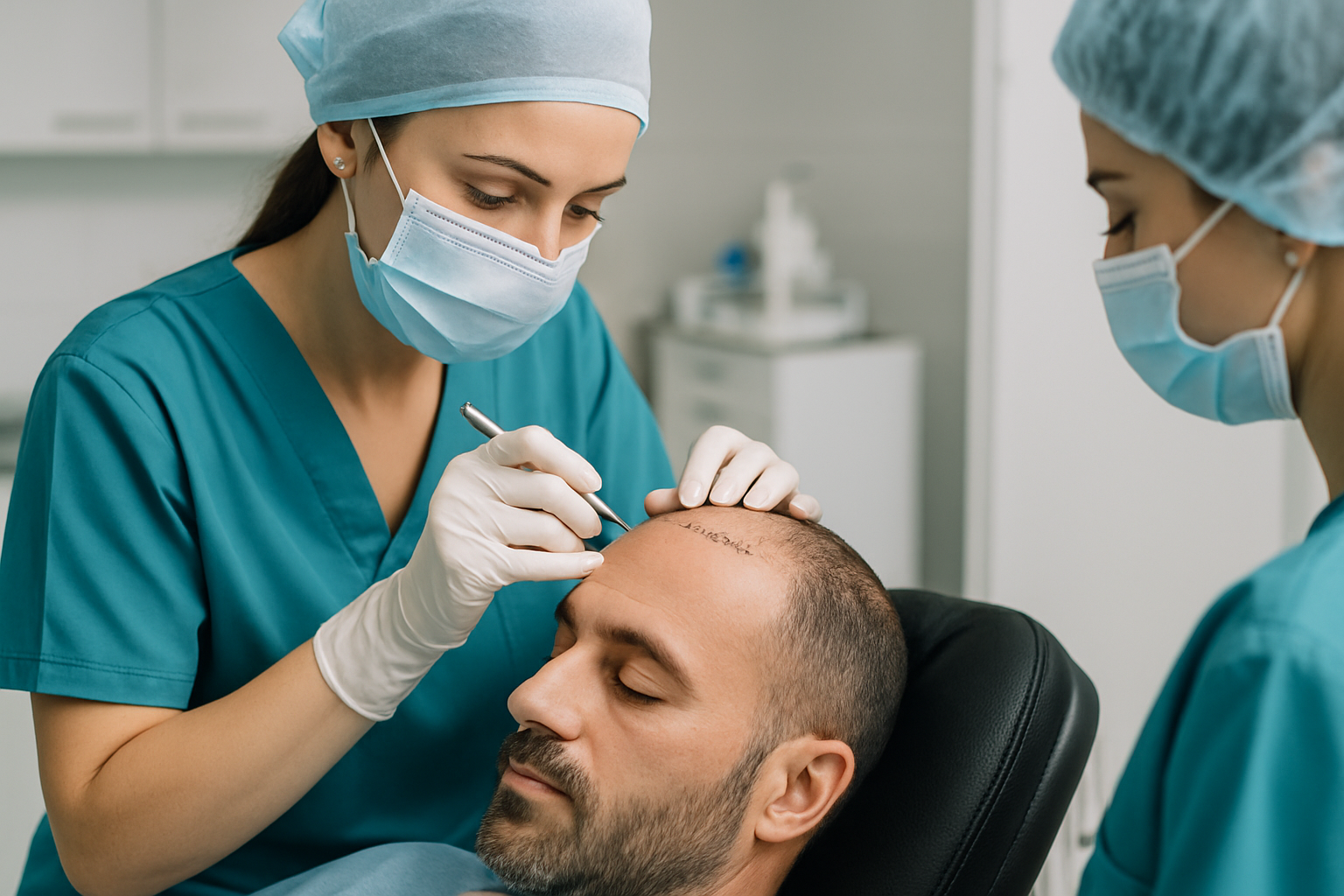
The technology behind Prishtinë transplantim flokësh has evolved substantially, making the procedure more efficient and less invasive. Advanced methods such as Follicular Unit Extraction (FUE) and Follicular Unit Transplantation (FUT) are commonly employed, each having its own advantages. FUE, for example, involves extracting individual hair follicles and transplanting them without significant scarring, while FUT involves removing a strip of scalp and dissecting it into individual grafts.
For those considering Prishtinë transplantim flokësh, it is vital to choose a reputable clinic. The success of a hair transplant largely depends on the expertise of the surgeon and the technology used. It is recommended to consult with a specialist who can provide tailored advice based on individual hair loss patterns and goals. Visit our detailed guide here to learn more about selecting the right clinic for your needs.
One of the great benefits of undergoing a hair transplant is the natural-looking results. Unlike hairpieces or temporary solutions, transplanted hair grows in the natural growth pattern of your hair. This means that once the surgical wounds have healed and the hair begins to grow, it will continue to do so for a lifetime, often indistinguishable from the surrounding natural hair.
The procedure of Prishtinë transplantim flokësh is not merely about aesthetic enhancement but also about psychological improvements. Many patients report significant boosts in confidence and psychological well-being post-procedure. The ability to style one’s hair or not having to wear hats or wigs to cover bald spots can profoundly affect one’s self-perception and social interactions.
Understanding the timeline and what to expect during the recovery phase of Prishtinë transplantim flokësh is critical for potential candidates. Initially, the transplanted hair will fall out – a process known as shock loss, which is completely normal. New growth will start to appear within a few months and will continue to thicken over the following year.
The cost of hair transplantation can vary significantly depending on the extent of hair loss and the specific techniques used. Generally, clinics in Prishtinë offer competitive pricing compared to Western Europe, making it an attractive destination for medical tourism. Watch real patient stories here to understand the financial and emotional investment involved.
Another critical consideration for those interested in Prishtinë transplantim flokësh is post-operative care. Proper care is essential to ensure the success of the transplant. This includes following the surgeon’s instructions for wound care, avoiding certain physical activities, and taking prescribed medications to prevent infection and promote healing.
Innovations in Prishtinë transplantim flokësh continue to improve, with new techniques being developed that reduce pain and recovery time. For instance, robotic hair transplantation allows for more precise follicle extraction and placement, resulting in less downtime and more consistent results compared to traditional methods.
The longevity of results from Prishtinë transplantim flokësh largely depends on the quality of care both during and after the procedure. While the transplanted hair is permanent, patients may continue to experience natural hair loss in other areas. To maintain the appearance of a full head of hair, some may require follow-up treatments or even additional transplant sessions over time.
Many clinics in Prishtinë also offer complementary therapies alongside Prishtinë transplantim flokësh to enhance results. These can include PRP (Platelet-Rich Plasma) therapy, which uses a patient’s blood plasma enriched with platelets to stimulate hair growth and healing at the transplant site.
It’s important to have realistic expectations when undergoing Prishtinë transplantim flokësh. While the procedure can significantly improve hair density and appearance, it may not be possible to achieve a full head of hair if the balding area is extensive or the donor hair is sparse.
When planning for a hair transplant in Prishtinë, it’s advisable to schedule a consultation during which you can discuss your hair restoration goals, review before-and-after photos, and receive a detailed plan tailored to your situation. This preparation is key to aligning expectations with achievable results.
For individuals traveling to Prishtinë for Prishtinë transplantim flokësh, the city offers a range of amenities and attractions to make the stay more enjoyable. From historic sites to contemporary shopping and dining, Prishtinë provides a welcoming atmosphere for medical tourists.
Finally, the success stories of those who have undergone Prishtinë transplantim flokësh often highlight the transformative nature of the procedure. Not just a change in appearance, but a renewed sense of vitality and opportunity in personal and professional lives. These testimonials serve as a powerful testament to the life-changing impacts of hair restoration.
In conclusion, Prishtinë transplantim flokësh stands out as a significant medical procedure not only for its technical aspects but also for the profound psychological benefits it offers. As techniques advance and become more accessible, it continues to be a beacon of hope for those looking to regain not only their hair but also their confidence and quality of life.